How to Prevent Moisture and Mold in Your Finished Basement in York County
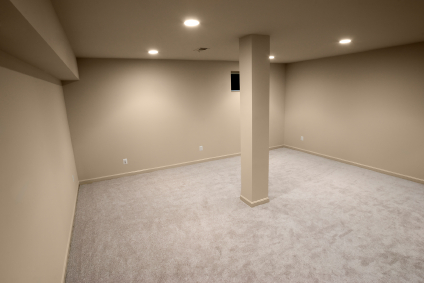
Your finished basement should feel like part of your home, not a damp afterthought. York County’s coastal weather, spring thaw, and humid summers can push moisture into below-grade spaces and spark mold problems. When you plan a basement remodel with a qualified team like Faulkner Building & Design, you protect that investment from day one. This guide breaks down how professionals control moisture so your basement stays healthy, comfortable, and durable for years.
Why Basements In York County Need Extra Moisture Control
Homes in Saco, Biddeford, and nearby towns sit in a climate with large temperature swings, heavy fall storms, and salty coastal air. Those conditions feed condensation and drive groundwater toward foundation walls. Older homes in neighborhoods like Camp Ellis and North Saco may also have mixed foundations or outdated insulation that make basements feel clammy.
Moisture is not only about puddles. High humidity can feed mold on the paper face of drywall, carpet pads, and wood trim. The fix is a full system, not a single product. That system starts before finishing and continues after move‑in.
The Professional Game Plan For Basement Moisture Control
Great basements start with a plan. Here is how a pro team sequences the work so finishes last and mold does not take hold.
1) Manage Water At The Perimeter
Before thinking about paint colors, the contractor confirms that bulk water is handled. That includes exterior grading and gutters, and inside solutions such as a perimeter drain tied to a sealed sump basin with a reliable pump and battery backup. A quiet, sealed lid prevents humid air from escaping into the room. Skipping drainage is the fastest way to ruin a new finished space.
2) Install A True Vapor Barrier
Concrete is porous. A professional adds a continuous polyethylene or laminated vapor barrier on foundation walls before framing, and isolates slabs using a compatible underlayment beneath finished flooring. Taped seams and sealed edges matter because small gaps become big moisture pathways over time.
3) Choose Mold-Resistant Assemblies
To build mold-resistant basement walls, pros avoid paper-faced drywall against cold concrete. Instead, they pair non-paper-faced drywall with treated lumber, or use composite wall panels designed for below-grade spaces. Insulation choices are geared to limit condensation at the wall surface.
- Closed-cell spray foam or rigid foam boards help keep interior surfaces warm and dry.
- Inorganic finishes such as fiberglass-faced drywall or cement board reduce food sources for mold.
4) Control Indoor Humidity
Even a dry shell needs humidity control. A dedicated, ductable dehumidifier sized for the square footage keeps relative humidity near 50 percent year-round. Tied to a drain, it runs on autopilot so you are not emptying buckets after summer thunderstorms.
5) Ventilation That Fits A Finished Space
Basements benefit from balanced ventilation so stale air does not linger. A contractor may integrate the space with your home’s system or add a small HRV/ERV to exchange air without wasting energy. That reduces odors and helps a new family room feel like the rest of the house.
Materials That Stand Up To Maine Weather
Below-grade rooms deserve finishes that tolerate cold walls, damp ground, and busy lives. Your contractor will guide you toward options built for York County homes.
- Flooring: Luxury vinyl plank or porcelain tile with a moisture-tolerant underlayment.
- Walls: Fiberglass-faced drywall or panel systems rated for basements.
- Ceilings: Drop systems with washable tiles for access and easy cleaning.
- Trim: PVC or composite profiles that will not swell if humidity spikes.
These choices pair well with the perimeter drainage, vapor barrier, and insulation already in place. Using the right materials does not replace moisture control. It adds a second layer of protection.
Planning Your Basement Finishing Timeline In Saco, ME
Moisture control sits on the critical path. Your schedule should allow time for site drainage upgrades, interior drain installation, and drying. In neighborhoods close to the Saco River or near Old Orchard Beach, contractors often plan work around wetter seasons to keep everything moving smoothly. Rushing the drying phase can trap moisture behind new walls.
If you are building a guest suite or media room, your team will sequence plumbing and electrical after the envelope is sealed and insulated. That way, finishes go in once the space has a stable, healthy baseline.
Basement Moisture Control Mistakes To Avoid
Professionals in York County see patterns in projects that later needed repairs. Avoid these pitfalls during design and construction.
Do not rely on paint as waterproofing. Waterproofing paints are not a substitute for drainage and vapor barriers. Over time, hydrostatic pressure finds a way through, and the coating flakes.
Carpet over bare slab invites trouble. Even with a dehumidifier, carpet pads can hold moisture and odors. If a soft surface is a must, consider area rugs you can remove and clean.
Skipping a sealed sump basin leaves an open pathway for humid air. A sealed system with a check valve, quiet lid, and proper discharge keeps moisture and odors contained.
How A Basement Remodel Protects Home Value
When you invest in a professional basement remodel, you get more than new square footage. You get a healthier home. Proper drainage, mold-resistant assemblies, and balanced ventilation make the lower level feel like any other floor. That adds real comfort for daily life and helps future buyers see quality behind the walls.
If you are comparing options across York County, review how each contractor handles moisture. The strongest proposals describe the drainage path, the exact vapor barrier, the insulation approach, and humidity targets. That clarity is your best protection against mold or musty odors returning later.
Basement Moisture Control And The Rest Of Your Home
Kitchens and baths add humidity loads, and that air can drift to the lower level. If you are planning a whole-home refresh, coordinate bath ventilation upgrades alongside basement work. Thoughtful sequencing with a partner like Faulkner Building & Design can tighten the building envelope and improve indoor air quality across the board.
For inspiration on finishes and fixture choices upstairs, explore ideas on the bathroom remodel page and mirror those durable, easy‑to‑clean surfaces downstairs.
Local Insights From York County Projects
In Saco and Biddeford, we see basements that feel fine all winter, then show leaks during March snowmelt. In coastal spots like Goosefare Brook and Ferry Beach, wind‑driven rain can push water against foundation walls. In rural parts of Dayton and Arundel, shallow drainage ditches sometimes clog with leaves after fall storms. Those details change the design, but the core system stays the same: capture water at the edges, block vapor, insulate smart, and keep humidity steady.
If you want a deeper dive on finishes and layout ideas, the article on making the most of lower levels in our region is a helpful read. You can scan the big-picture benefits in expert basement remodeling in York County and then apply the moisture strategy outlined here to protect those upgrades.
Choosing The Right Team For Basement Finishing In York County, ME
Basement finishing in York County ME works best with a contractor who treats moisture control as non‑negotiable. Look for clear documentation, product data sheets, and a warranty that covers water entry and humidity targets. Ask how they air-seal rim joists, what insulation they recommend for below‑grade walls, and how the dehumidifier drains. The answers should be simple and specific.
If you are new to our site, start at the home page and learn how we approach basement moisture control as part of a whole‑home strategy. From there, you can browse real projects and see how our team coordinates trades, schedules around weather, and communicates throughout construction.
Ready To Keep Your Basement Dry All Year?
Your lower level can be a family room, guest suite, or office without the musty smell. Partner with Faulkner Building & Design to design the space and protect it with proven materials and systems. When you are ready to map out the plan, call us at 207-205-1537 to talk about your goals and timeline.
If you are ready to move from ideas to action, review the scope and approach on our basement remodel page and set up your consultation today. We will help you create a dry, comfortable, and long‑lasting living space for your York County home.
Get Started on Your New Home ConstructionContact Your Local Remodeling & General Contractors Today!